
Case Study: Successful Aluminium Fabrication Projects in Australia
WC
Introduction to Aluminium Fabrication in Australia
Aluminium fabrication has become a cornerstone of the Australian construction and manufacturing industries. Known for its durability and versatility, aluminium is a preferred material for various projects ranging from architectural masterpieces to industrial applications. This case study highlights successful aluminium fabrication projects across Australia, showcasing the innovation and expertise driving this industry.
Residential Projects: Modern Homes
In recent years, aluminium has gained popularity in residential construction. Its lightweight nature and resistance to corrosion make it ideal for coastal homes and modern architectural designs. One standout project is a series of eco-friendly homes in Sydney, where aluminium was used extensively for window frames, roofing, and cladding, enhancing both aesthetics and energy efficiency.
The benefits of using aluminium in residential projects include:
- Energy Efficiency: Aluminium’s reflective properties help reduce heating and cooling costs.
- Design Flexibility: Its malleability allows for creative architectural expression.
- Sustainability: Aluminium is highly recyclable, reducing environmental impact.
Commercial Success: High-Rise Buildings
In the commercial sector, aluminium has proven invaluable in the construction of high-rise buildings. The lightweight nature of aluminium reduces the structural load, while its strength ensures safety and durability. A prominent example is the skyline-defining tower in Melbourne, where aluminium facades add both visual appeal and functional benefits.
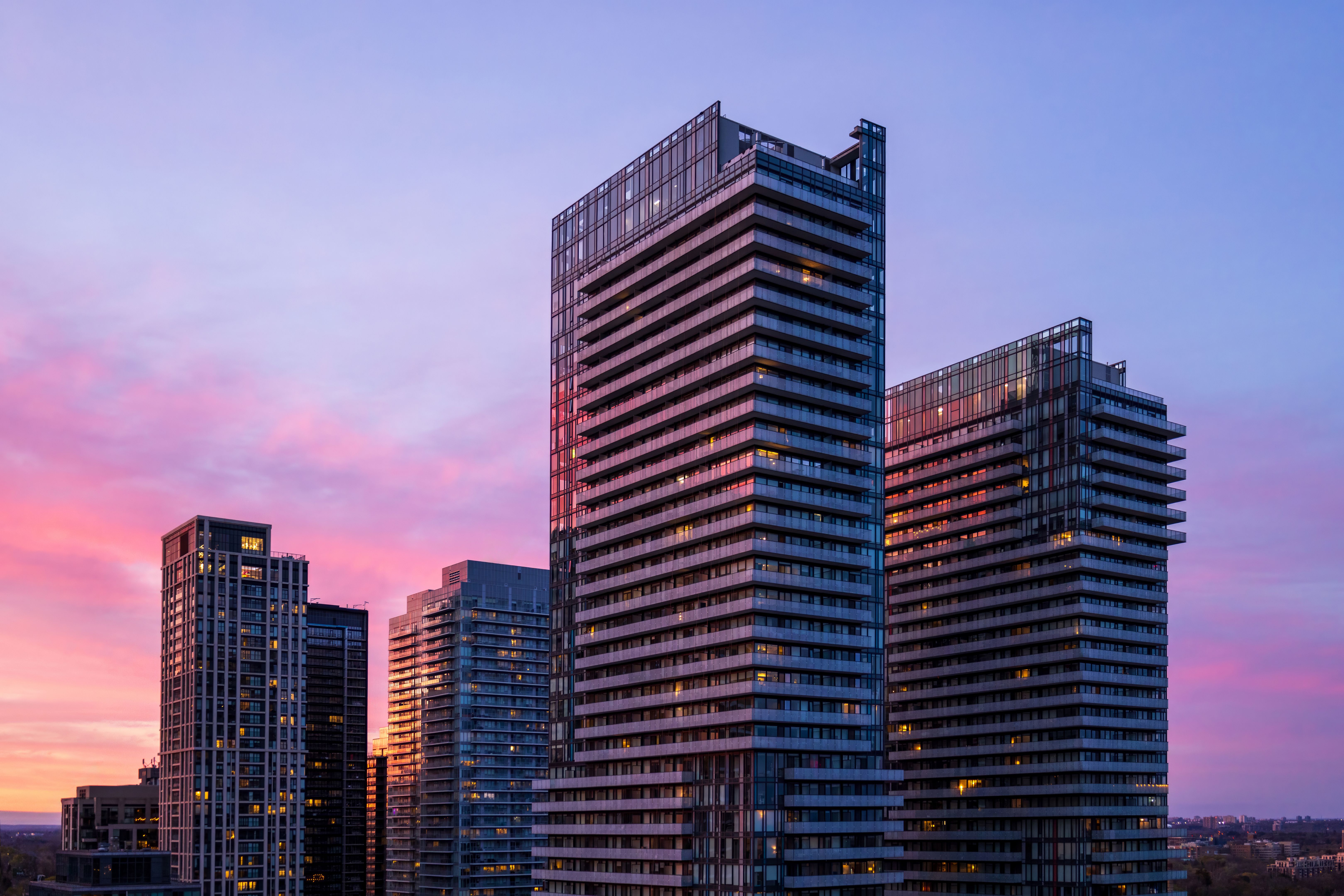
Aluminium's contribution to commercial projects is evident in:
- Cost-effectiveness: Reduced structural weight leads to lower construction and maintenance costs.
- Durability: Aluminium resists atmospheric conditions, ensuring longevity.
- Modern Aesthetics: Sleek, metallic finishes complement contemporary designs.
Industrial Applications: Infrastructure and Beyond
Beyond residential and commercial spaces, aluminium is crucial in industrial projects. Its role in infrastructure, such as bridges and transport systems, cannot be overstated. A notable project is the aluminium-intensive bridge in Brisbane, which exemplifies the material's strength and adaptability.
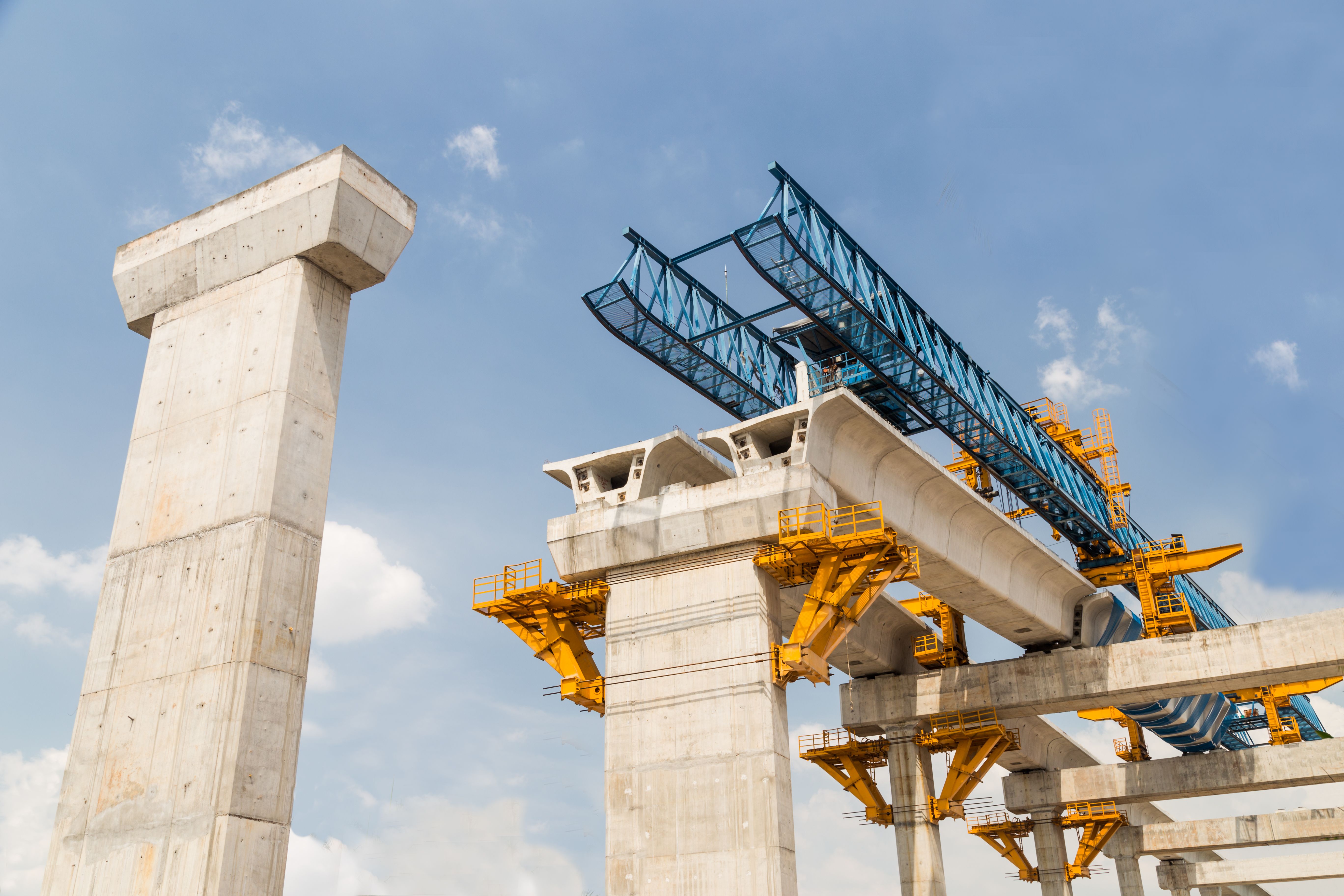
Key advantages of aluminium in industrial applications include:
- Corrosion Resistance: Ideal for structures exposed to harsh environmental conditions.
- Load Bearing: Supports significant weight while being lighter than steel.
- Long-term Investment: Minimal maintenance requirements enhance cost savings.
Challenges and Innovations in Aluminium Fabrication
While aluminium offers many benefits, fabricators face challenges such as the need for specialized skills and equipment. However, innovations in fabrication technology continue to address these issues. Advances in welding techniques and precision cutting have expanded the possibilities for aluminium projects in Australia.
Continued investment in research and development is crucial for overcoming these challenges, enabling the industry to maintain its competitive edge and sustainability goals.
Conclusion: The Future of Aluminium Fabrication
Aluminium fabrication in Australia is poised for growth, driven by its unmatched versatility and environmental benefits. As more projects harness the potential of this remarkable material, aluminium will continue to shape the landscape of the country’s architectural and industrial future. The ongoing success of these projects serves as a testament to the innovation and dedication of Australian fabricators.