
Common Mistakes to Avoid When Installing a Fence in NSW
WC
Understanding Local Regulations
Installing a fence in New South Wales (NSW) requires more than just picking a style and material. One of the most common mistakes is neglecting to research and adhere to local regulations. Each council may have specific rules regarding fence height, design, and placement. Ignoring these guidelines can lead to fines or the need to remove or alter your fence.
Before starting your project, visit your local council's website or contact them directly to understand the requirements. Ensure you have all necessary permits and approvals to avoid complications later.
Improper Planning and Design
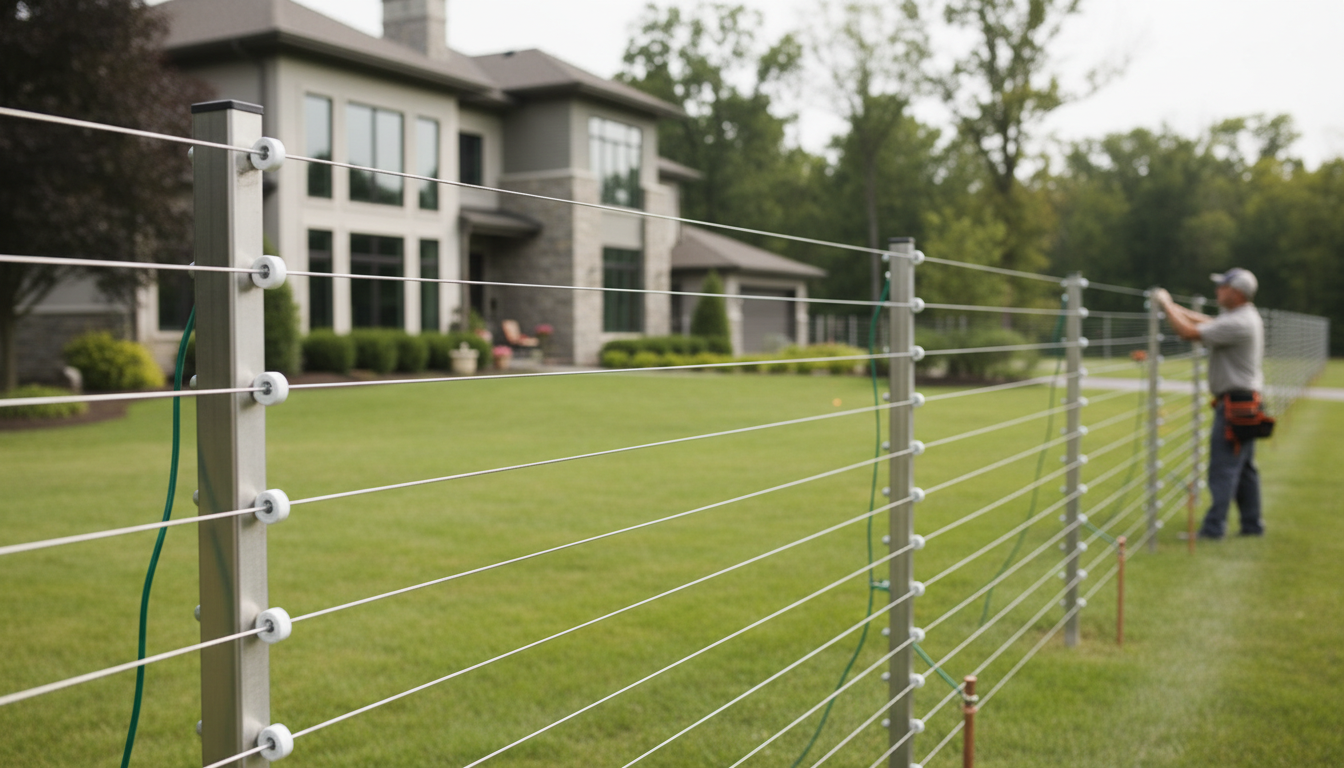
Another frequent mistake is rushing the planning and design phase. A well-thought-out plan ensures your fence serves its intended purpose, whether for privacy, security, or aesthetics. Consider factors such as the fence's height, materials, and maintenance needs. Analyze your property's layout to determine the best positioning.
Sketching a layout and consulting with a professional can help you visualize the final product and make necessary adjustments before construction begins.

Ignoring Soil Conditions
The type of soil on your property plays a crucial role in the stability of your fence. Failing to assess soil conditions can lead to structural issues down the line. For example, sandy or loose soil might require deeper posts or additional support to ensure the fence remains upright.
Conducting a soil test or consulting with a professional can help you choose the right foundation and materials to withstand local conditions.

Choosing the Wrong Materials
Selecting inappropriate materials is another common pitfall. Different materials offer varying levels of durability, maintenance, and cost. For instance, wood provides a classic look but may require regular treatment to prevent rot and termite damage. On the other hand, metal or vinyl may offer more durability but can be pricier.
Evaluate your budget, climate, and the level of maintenance you're willing to commit to when choosing materials for your fence.
Neglecting Neighbor Consultation
Building a fence affects not just your property but also those surrounding it. Failing to communicate with your neighbors can lead to disputes, especially if the fence borders their property. It's courteous and often necessary to discuss your plans with them before proceeding.
Address any concerns they might have and consider collaborating on the design if it affects both properties. This can lead to a more harmonious neighborhood relationship.

Incorrect Installation Techniques
Even with the right materials and planning, improper installation can compromise your fence's integrity. Common errors include setting posts too shallow, misaligning panels, or not using the right tools. These mistakes can result in a fence that leans, sags, or collapses over time.
Hiring a professional installer can ensure the job is done correctly and meets all safety standards. If you choose to install it yourself, take the time to learn proper techniques and invest in quality tools.
Overlooking Maintenance Needs
Once your fence is installed, ongoing maintenance is essential to ensure its longevity. Many people forget this crucial step, leading to premature wear and tear. Depending on the material, regular cleaning, painting, or sealing might be required.
Set up a maintenance schedule and stick to it. This will help you identify and address any issues early, saving you time and money in the long run.
Conclusion
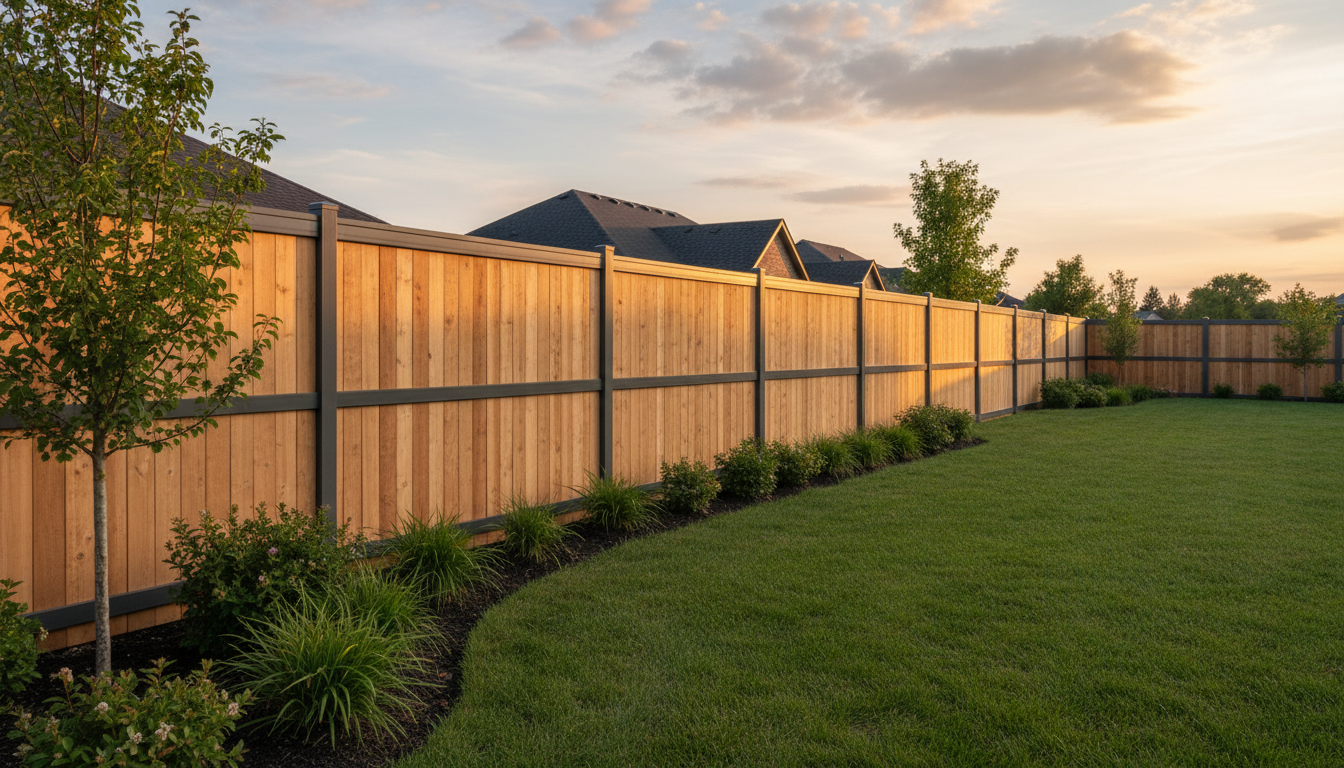
Installing a fence in NSW can enhance your property's value and appearance, but it's crucial to avoid common mistakes. By understanding regulations, planning carefully, and choosing the right materials and methods, you can ensure your fence stands the test of time. Remember, a successful installation is as much about preparation as it is about execution.