
Comparing Timber vs. Aluminium Fencing: Which is Right for You?
WC
Introduction
Choosing the right fencing for your property is an important decision that can impact both aesthetics and functionality. Two popular options are timber and aluminium fencing. Each has its own set of advantages and drawbacks, making it essential to weigh them carefully before making a decision.
Durability and Maintenance
Timber Fencing
Timber fencing is known for its natural beauty and classic appeal. However, it requires regular maintenance to prevent issues like rot, insect damage, and weathering. Periodic staining or painting is necessary to maintain its appearance and extend its lifespan.
Aluminium Fencing
Aluminium fencing is highly durable and resistant to rust, corrosion, and weather-related wear. It requires minimal maintenance compared to timber, making it a popular choice for those seeking a low-maintenance option. Simply cleaning it occasionally with soap and water is usually sufficient.
Aesthetic Appeal
Natural Look of Timber
For those who love a natural and warm appearance, timber fencing is an ideal choice. It blends seamlessly with garden landscapes and offers a range of styles and finishes to match your outdoor decor.
Modern Look of Aluminium
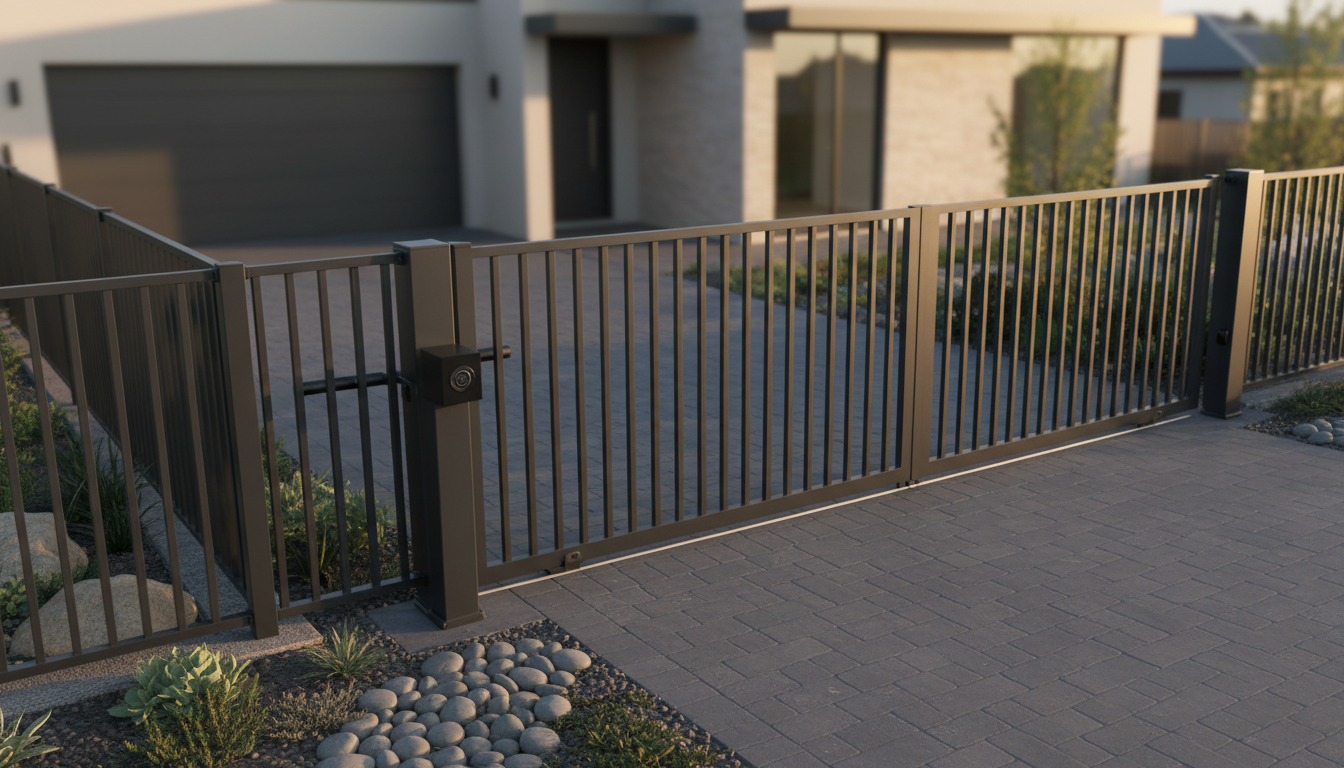
Aluminium fencing offers a sleek, modern look that complements contemporary homes. It is available in a variety of styles and colors, allowing for customization to suit personal preferences and architectural styles.
Cost Considerations
Initial Investment
The initial cost of timber fencing is generally lower than that of aluminium. However, it's important to factor in the long-term costs associated with maintenance and potential repairs.
Long-Term Value
While aluminium fencing may have a higher upfront cost, its durability and low maintenance requirements can result in cost savings over time. It is an investment that offers excellent long-term value.
Installation and Versatility
Installation of timber fencing can be more labor-intensive due to its weight and the need for precise alignment. Aluminium fencing, on the other hand, is lightweight and often comes in pre-assembled panels, making installation quicker and easier.
Both timber and aluminium offer versatility in design, but aluminium is often preferred for more intricate and decorative designs due to its malleability. When considering which is right for you, think about the design complexity and installation process you are comfortable with.
Environmental Impact
Timber fencing is biodegradable and can be sourced from sustainable forests, making it an environmentally friendly option if sourced responsibly. Aluminium is recyclable, which reduces its environmental footprint, but the production process is more energy-intensive.
Conclusion
Ultimately, the choice between timber and aluminium fencing depends on your priorities, whether they are aesthetics, maintenance, cost, or environmental impact. By understanding the strengths and weaknesses of each material, you can make an informed decision that best suits your needs and enhances your property.