
Expert Insights: Trends in Aluminium Fabrication and Design
WC
Understanding the Evolving Landscape of Aluminium Fabrication
Aluminium fabrication and design have witnessed remarkable advancements over the past few years, driven by technological innovations and changing consumer demands. As an industry that significantly contributes to construction, automotive, and aerospace sectors, staying abreast of current trends is crucial for stakeholders. In this post, we delve into the latest trends shaping the future of aluminium fabrication.

Sustainability and Eco-Friendly Practices
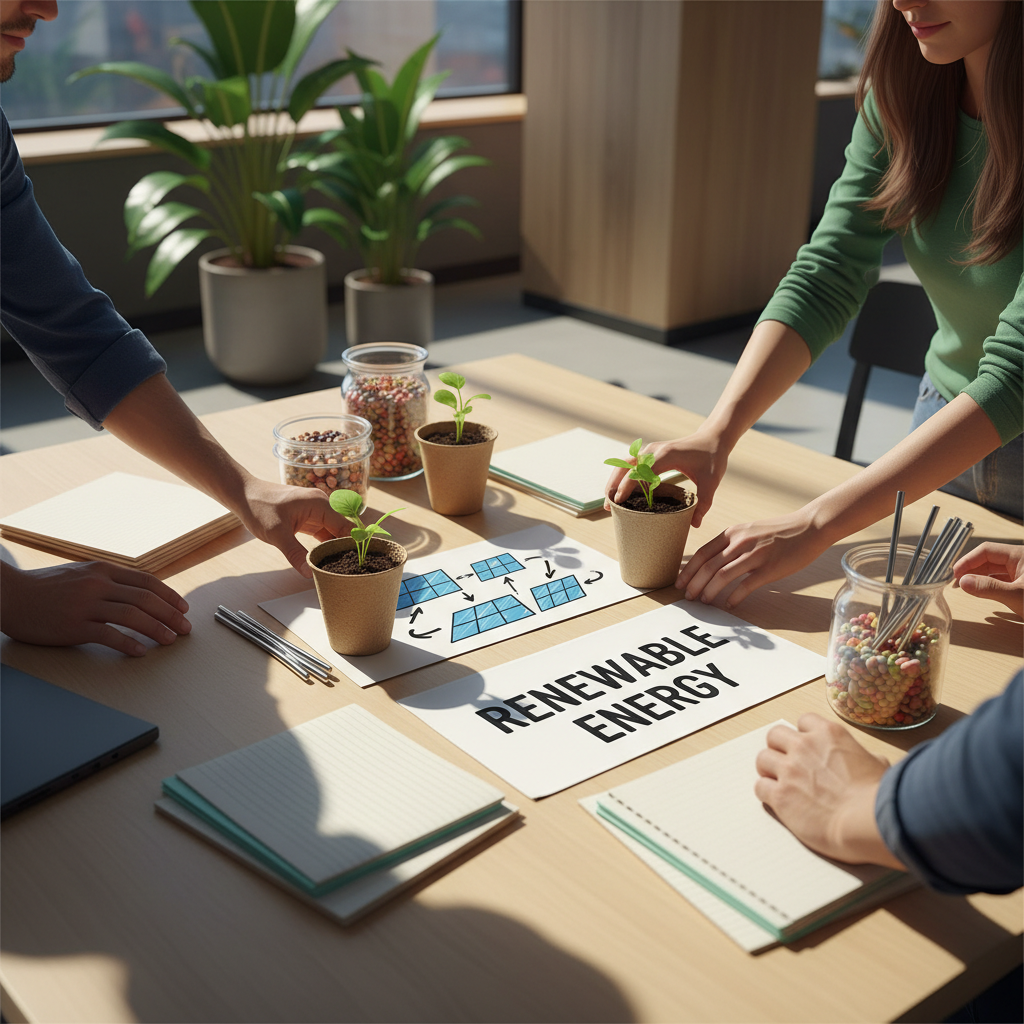
One of the most significant trends in aluminium fabrication is the move towards sustainability. As industries worldwide aim to reduce their carbon footprint, the demand for recyclable materials has soared. Aluminium is inherently sustainable due to its recyclability, and fabricators are increasingly focusing on eco-friendly practices. This shift not only helps in reducing waste but also appeals to environmentally conscious consumers.
Implementing green technologies in the production process is now a priority. From using renewable energy sources to minimizing emissions, companies are adopting strategies that ensure a more sustainable future. This trend is expected to continue, with innovations like low-carbon aluminium gaining popularity.
Advancements in Technology
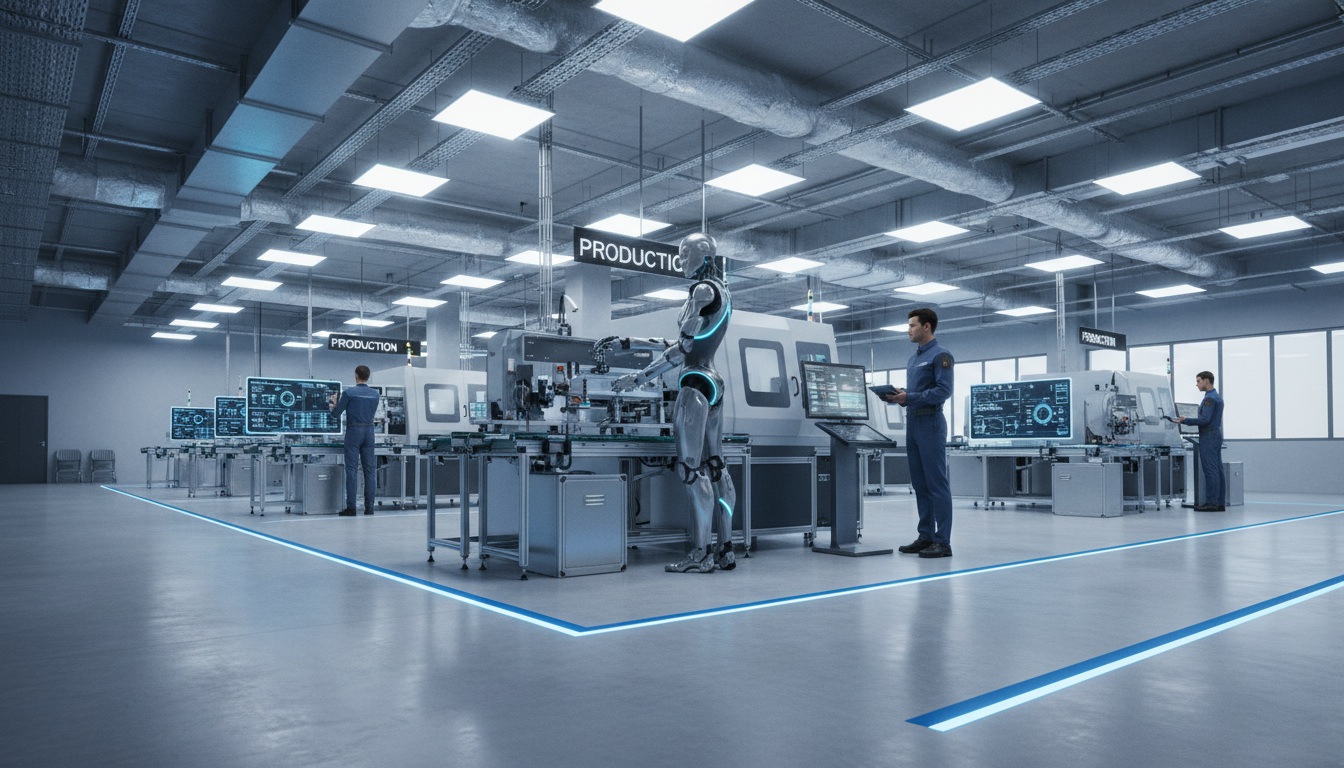
Technological innovation is at the heart of modern aluminium fabrication. With the advent of Industry 4.0, smart manufacturing processes have become a game-changer. Automation and robotics are being widely adopted, enhancing precision and efficiency in fabrication. These technologies not only reduce human error but also increase production speed and consistency.
Moreover, the integration of computer-aided design (CAD) and computer-aided manufacturing (CAM) systems allows for complex designs that were previously unattainable. This advancement has expanded the possibilities in customisation and product development, meeting diverse client needs.
Design Innovations and Aesthetic Appeal
Aluminium’s versatility makes it an ideal choice for innovative design solutions. Designers and architects are increasingly exploring creative ways to utilize aluminium’s unique properties. Its lightweight nature, combined with strength and durability, makes it perfect for both structural and decorative applications.
The trend towards minimalistic and sleek designs is particularly evident in the architectural sector. Aluminium’s ability to be molded into intricate shapes without compromising strength allows for stunning façade designs and interior elements that capture modern aesthetics.
Increased Demand in Diverse Sectors
While construction remains a major consumer of aluminium, other industries are rapidly increasing their usage. The automotive industry, for instance, is leveraging aluminium to produce lighter vehicles that enhance fuel efficiency and performance. This trend aligns with the push towards electric vehicles, where weight reduction is crucial.
Similarly, the aerospace sector is benefiting from aluminium’s strength-to-weight ratio, utilizing it extensively in aircraft manufacturing. With the rise of space exploration and commercial aviation, demand for aluminium in these sectors is set to rise significantly.

Challenges and Opportunities
Despite the promising trends, the aluminium fabrication industry faces challenges such as fluctuating raw material prices and the need for skilled labor. However, these challenges also present opportunities for innovation and growth. Companies that invest in training and development are likely to gain a competitive edge.
Moreover, staying informed about global market dynamics and investing in research and development can help businesses adapt to changing trends and consumer preferences, ensuring long-term success.
In conclusion, the aluminium fabrication industry is on a transformative journey, driven by sustainability, technological advancements, and design innovation. By embracing these trends, businesses can not only meet current demands but also pave the way for a more dynamic and sustainable future.