
Expert Tips for Aluminium Fabrication Projects
WC
Understanding the Basics of Aluminium Fabrication
Aluminium fabrication involves a range of processes to shape aluminium into desired forms and products. It is widely used in industries due to the material's lightweight and corrosion-resistant properties. Beginners often underestimate the intricacies involved, but with the right knowledge, you can master it.
Choosing the Right Aluminium Grade
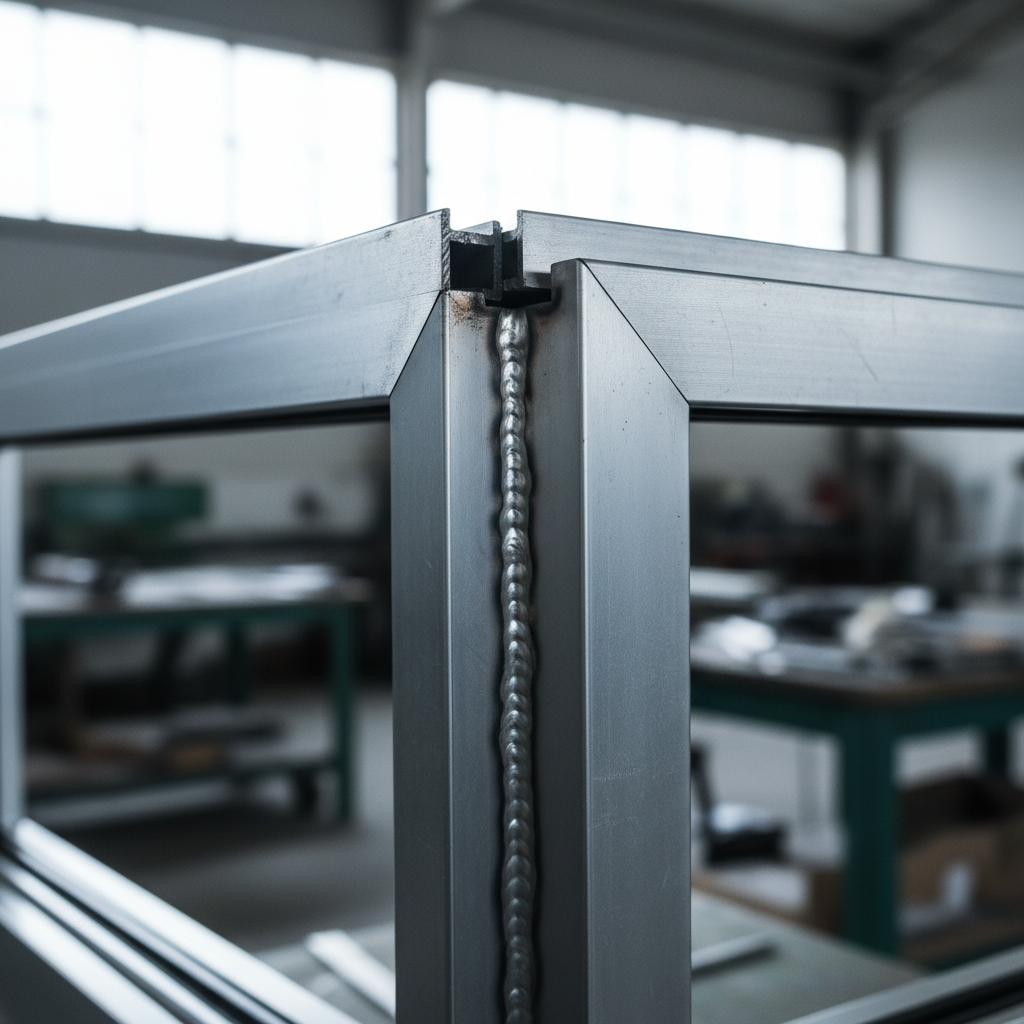
Selecting the appropriate aluminium grade is crucial for your project’s success. Different grades offer varying levels of strength, corrosion resistance, and weldability. For example, 6061 alloy is popular for its versatility, while 7075 is known for its strength. Consider the specific needs of your project when making a choice.
Essential Tools and Equipment
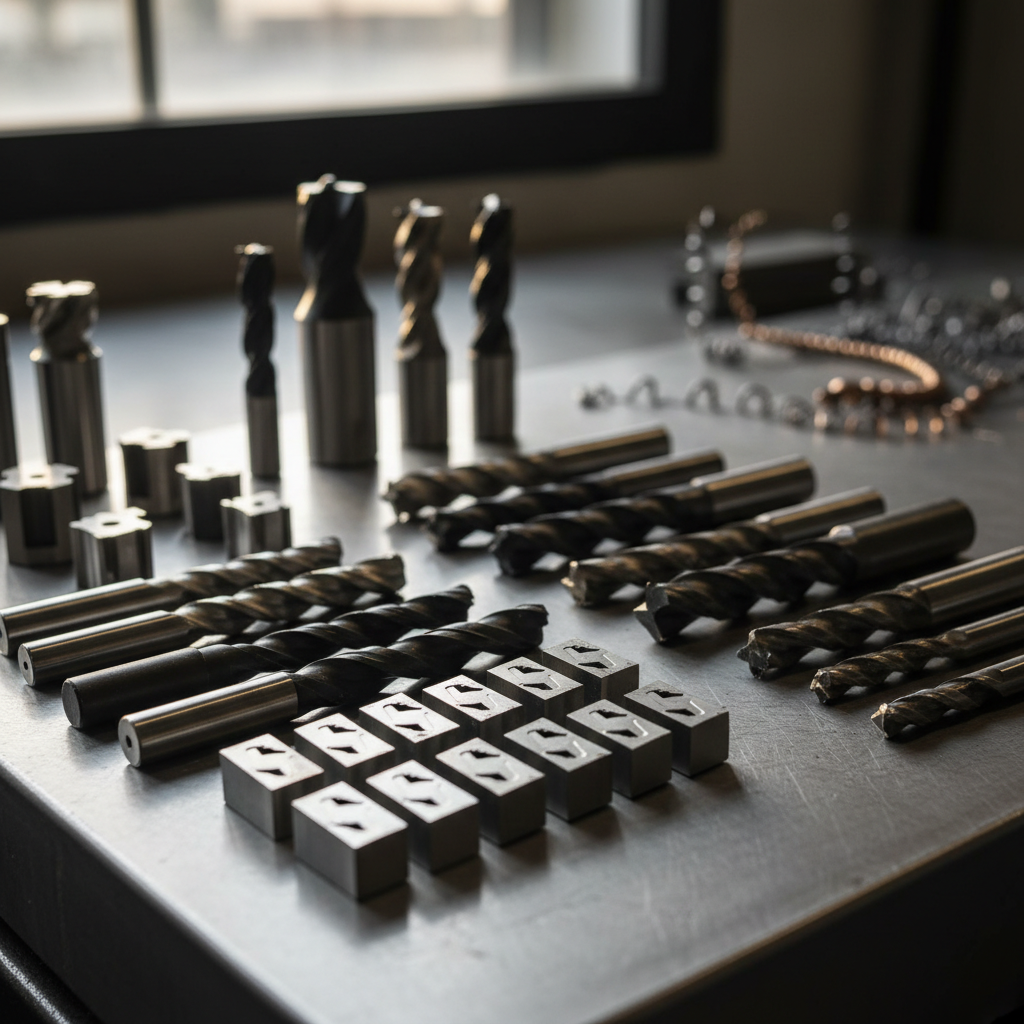
To execute aluminium fabrication projects effectively, having the right tools is essential. Common tools include saws for cutting, drills for making holes, and welding equipment for joining pieces. Investing in high-quality tools can make a significant difference in the finish and durability of your work.
Safety Precautions
Safety should always be a top priority. Use protective gear such as gloves, goggles, and masks to protect yourself from sharp edges, flying debris, and harmful fumes. Ensure your workspace is well-ventilated and free from hazards. Regularly inspect and maintain your equipment to avoid accidents.
Techniques for Effective Fabrication
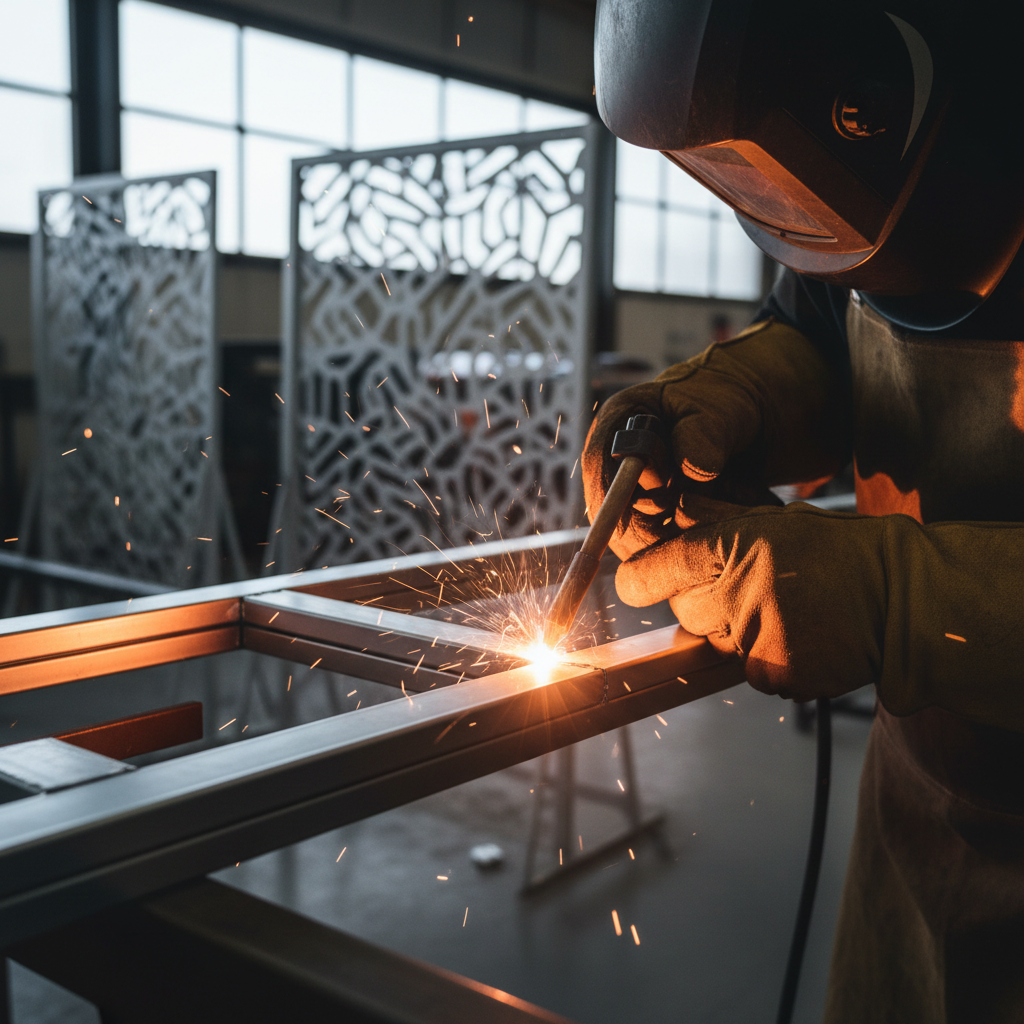
Mastering various techniques can greatly enhance the quality of your work. Cutting, bending, and welding are fundamental processes in aluminium fabrication. Techniques like TIG welding offer precise control and are ideal for thinner materials, while MIG welding is suitable for thicker pieces.
Finishing and Surface Treatment
After fabrication, finishing processes like anodizing or powder coating can enhance the appearance and durability of your aluminium products. Anodizing increases corrosion resistance and allows for coloring, while powder coating offers a range of color options and protection.
Common Challenges and Solutions
Aluminium fabrication is not without its challenges. Issues like warping, cracking, or improper welds can arise. To address these, ensure you have the right settings on your equipment and use compatible materials. Continuous learning and practice are key to overcoming these hurdles.
Seeking Professional Guidance
If you’re new to aluminium fabrication, seeking guidance from experienced professionals can be invaluable. Joining workshops, attending seminars, or collaborating with experts can provide you with insights and techniques that are not easily found in textbooks.
Conclusion
Aluminium fabrication is a rewarding field that requires a blend of technical skill and creative thinking. By understanding the basics, investing in the right tools, and continuously improving your techniques, you can achieve impressive results in your projects. Keep exploring and refining your craft to push the boundaries of what’s possible.