
The Benefits of Using Aluminium Over Traditional Materials for Outdoor Structures
WC
Durability and Longevity
One of the primary benefits of using aluminium for outdoor structures is its exceptional durability and longevity. Unlike traditional materials such as wood or steel, aluminium is highly resistant to corrosion. This means that even in harsh weather conditions, aluminium structures maintain their integrity and appearance over time.
Aluminium's natural resistance to rust and corrosion makes it an ideal choice for outdoor applications. This resistance reduces the need for regular maintenance, saving both time and money in the long run. For those looking to invest in structures that last, aluminium is a wise choice.
Lightweight Yet Strong
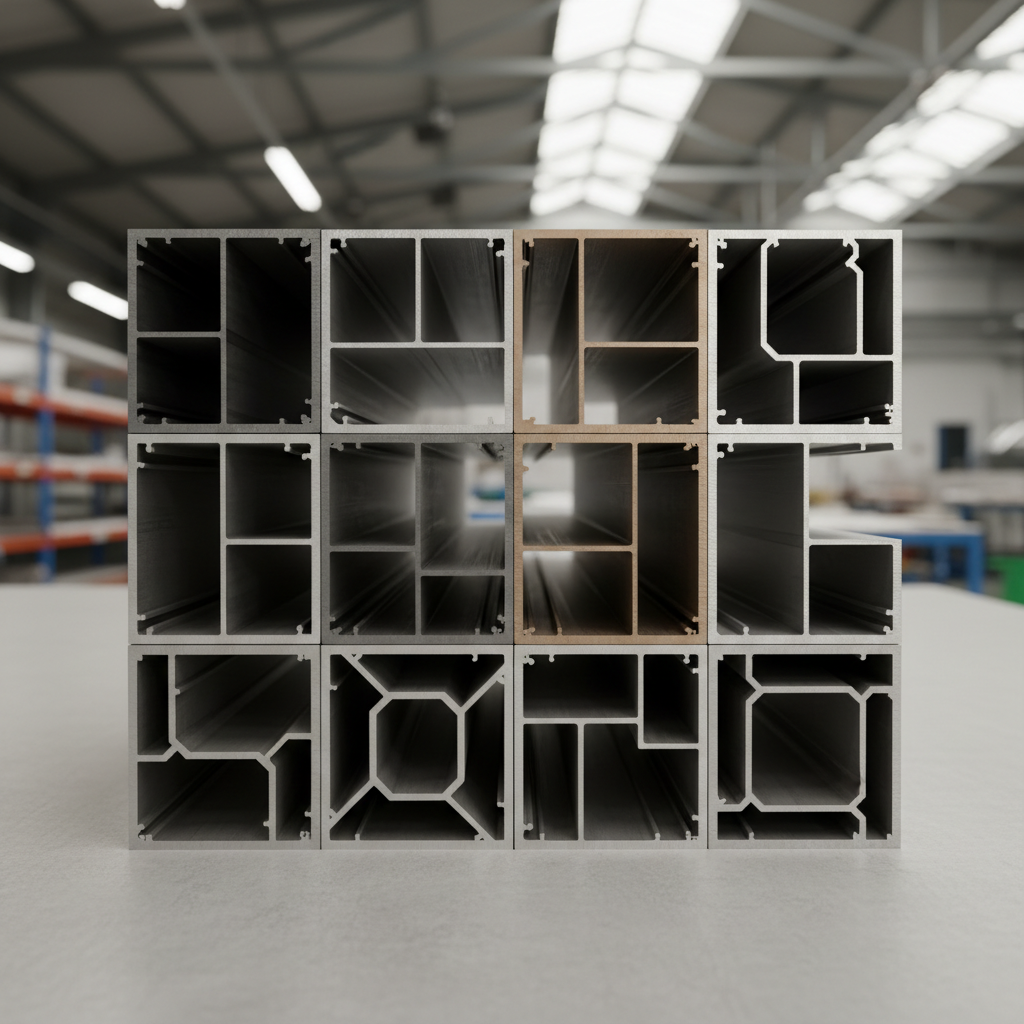
Another advantage of aluminium is its lightweight nature. Despite being much lighter than steel, aluminium does not compromise on strength. This characteristic makes it easier to transport and install, reducing labor costs and time.
The light weight of aluminium also contributes to its versatility. It can be molded into various shapes without losing strength, allowing for more creative and innovative designs in outdoor structures. This flexibility is especially beneficial for architects and designers looking to push boundaries.

Sustainability and Environmental Impact
In today's environmentally-conscious world, the sustainability of materials is a crucial consideration. Aluminium is a sustainable material due to its recyclability. It can be recycled repeatedly without losing its properties, making it an eco-friendly choice for construction.
Moreover, the production of recycled aluminium requires significantly less energy compared to new aluminium. This reduction in energy consumption helps decrease the overall carbon footprint, making aluminium structures a greener option.

Cost-Effectiveness
Although the initial cost of aluminium might be higher compared to some traditional materials, its long-term cost-effectiveness is undeniable. The minimal maintenance requirements and longevity of aluminium structures lead to significant savings over time.
Additionally, the ease of installation due to its lightweight nature further reduces labor costs. When considering the total lifecycle cost, aluminium often proves to be a more economical choice.
Design Flexibility
Aluminium offers unparalleled design flexibility, allowing for intricate and modern designs that might be challenging with traditional materials. Its ability to be easily shaped and customized makes it a favorite among architects and builders.
Whether for a simple garden shed or a complex architectural marvel, aluminium provides the freedom to create structures that are both functional and aesthetically pleasing.
Resistance to Elements
Outdoor structures are constantly exposed to the elements, and aluminium is particularly adept at withstanding these challenges. Its resistance to UV rays, rain, and temperature fluctuations ensures that structures remain intact and visually appealing for years.
This resistance makes aluminium ideal for coastal areas and other environments where traditional materials might degrade rapidly. Choosing aluminium helps ensure that structures remain sturdy and reliable, regardless of environmental conditions.