
Top Trends in Aluminium Fabrication: Innovations You Need to Know
WC
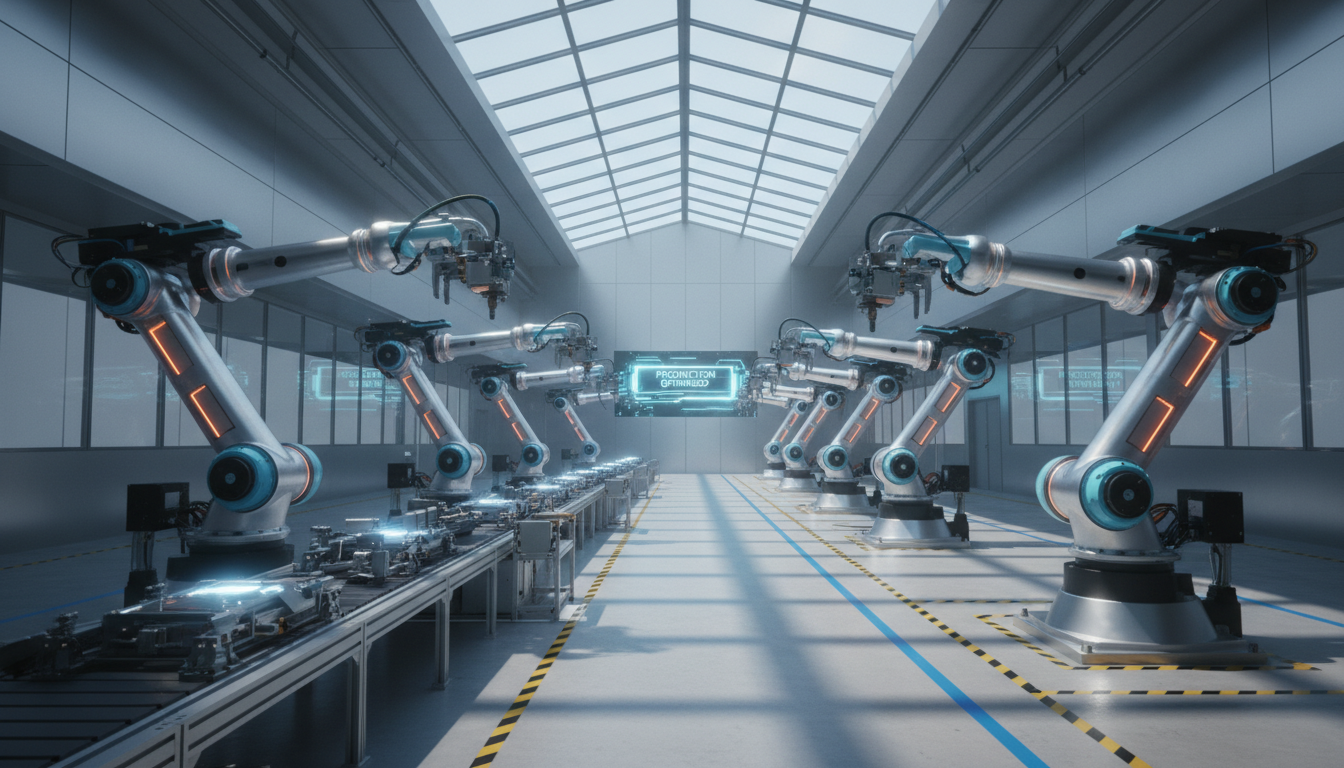
Advanced Automation in Aluminium Fabrication
In recent years, automation has significantly transformed the aluminium fabrication industry. Automated systems and robotics are increasingly being integrated into production lines, enhancing precision and efficiency. These technologies reduce human error and increase production speed, leading to cost savings and improved product quality.
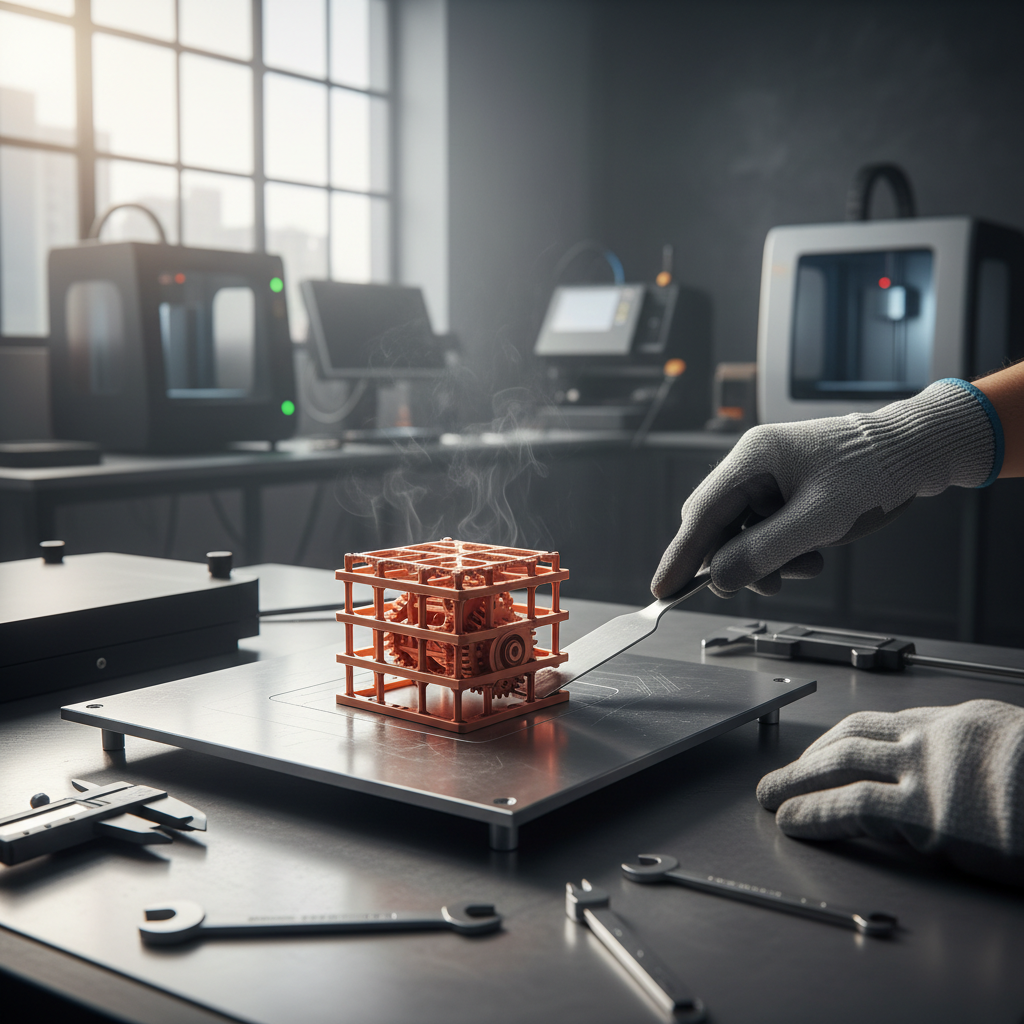
3D Printing: The Future of Custom Fabrication
3D printing, also known as additive manufacturing, is revolutionizing how aluminium components are designed and produced. This technology allows for the creation of complex geometries that were once impossible or too costly to achieve using traditional methods. As a result, manufacturers can offer more customized solutions to their clients.
The benefits of 3D printing in aluminium fabrication include reduced waste, faster production times, and the ability to prototype quickly. This innovation is particularly advantageous in industries such as aerospace and automotive, where precision and customization are critical.
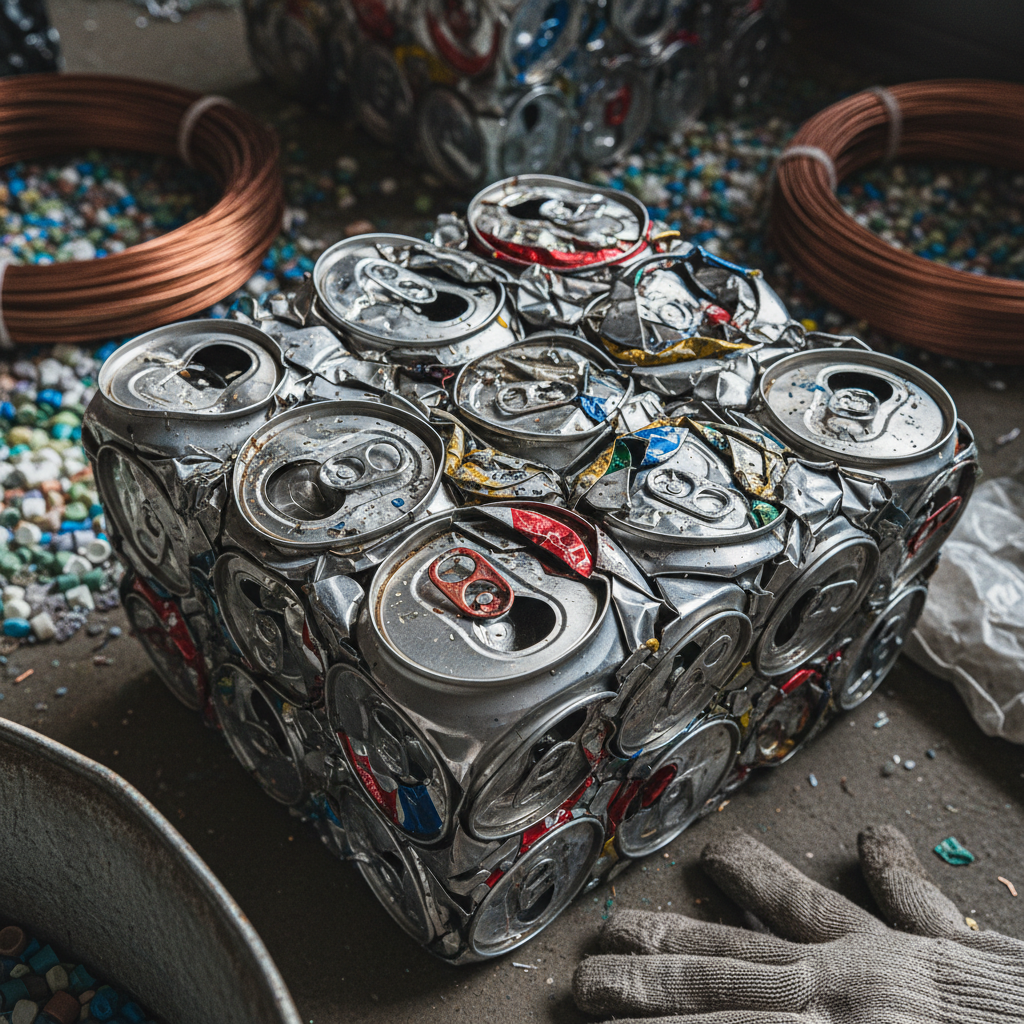
Sustainability: Eco-Friendly Fabrication Practices
With growing environmental concerns, sustainability has become a crucial consideration in aluminium fabrication. Companies are adopting eco-friendly practices, such as using recycled aluminium, which requires less energy to produce compared to new aluminium. This shift not only helps reduce the carbon footprint but also aligns with consumer demand for greener products.
Additionally, advancements in energy-efficient machinery and processes are contributing to more sustainable operations. These improvements help manufacturers minimize their environmental impact while maintaining high productivity levels.
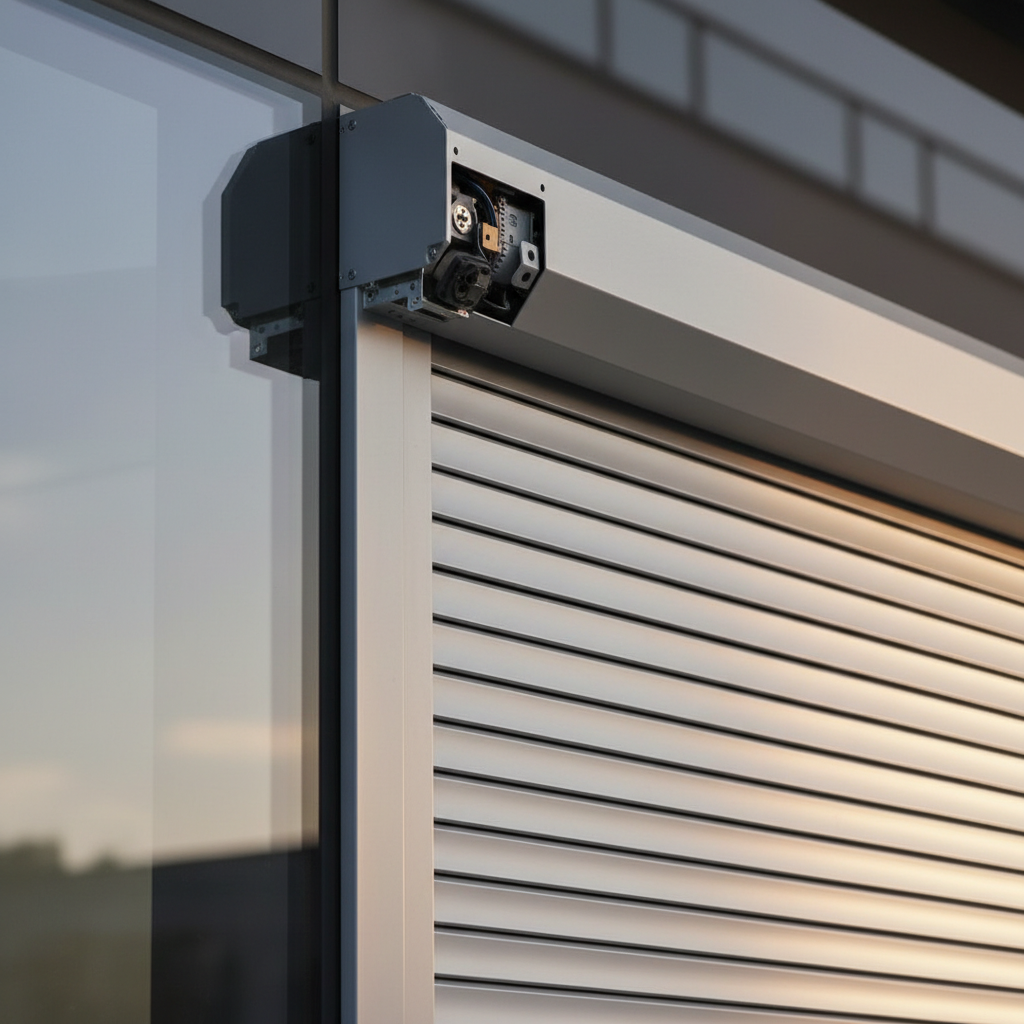
Smart Technology Integration
The integration of smart technology is another trend shaping the future of aluminium fabrication. IoT devices and smart sensors are being used to monitor production processes in real-time, providing valuable data that can optimize efficiency and detect potential issues before they escalate. This proactive approach enhances quality control and reduces downtime.
Moreover, smart technology enables predictive maintenance, ensuring that equipment remains in optimal working condition. By leveraging data analytics, companies can make informed decisions that drive innovation and improve overall performance.
Advanced Coating Techniques
Innovative coating techniques are enhancing the durability and aesthetic appeal of aluminium products. These advanced methods offer improved resistance to corrosion and wear, extending the lifespan of aluminium components. Powder coating and anodizing are popular choices, providing a range of finishes and colors to meet diverse design needs.
Furthermore, new developments in nanotechnology are leading to coatings that offer self-cleaning properties and increased protection against environmental factors. These advancements are particularly beneficial for applications in harsh environments, such as marine and industrial settings.